
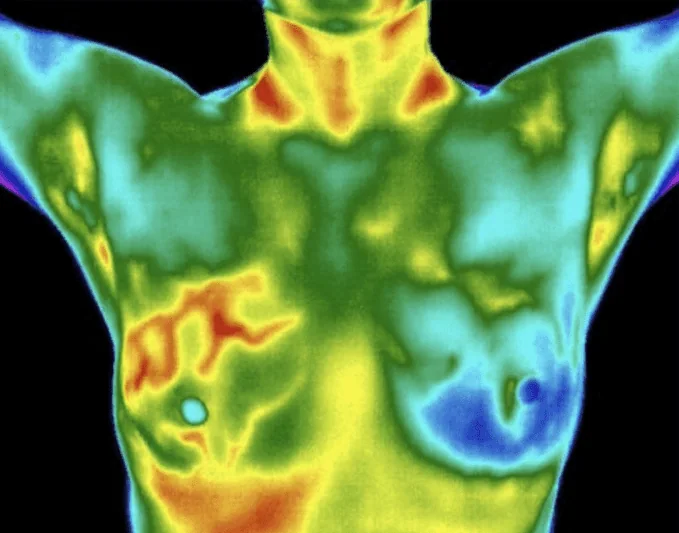
Breast thermography is a non-contact imaging procedure that records infrared heat emitted at the skin’s surface. The resulting images show temperature patterns and asymmetries that can be documented and compared over time. Knowing each step in advance can make a first appointment feel more comfortable and predictable.
What breast thermography measures.
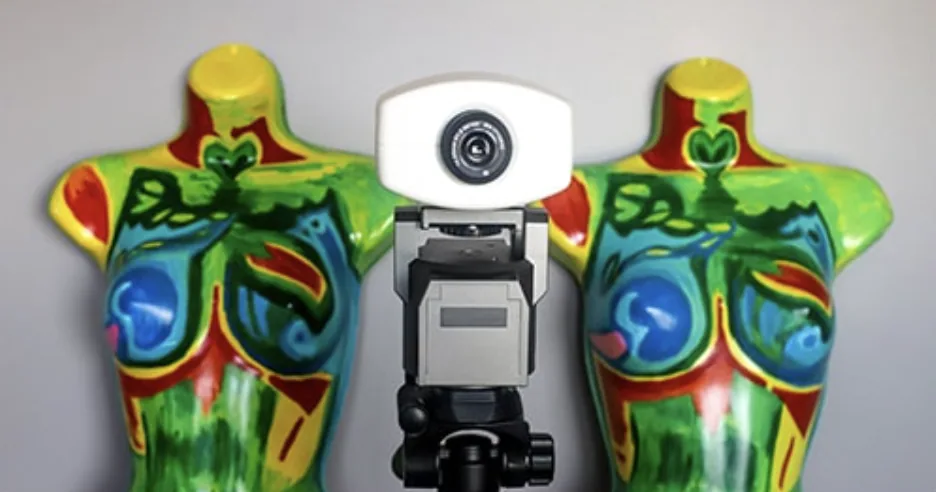
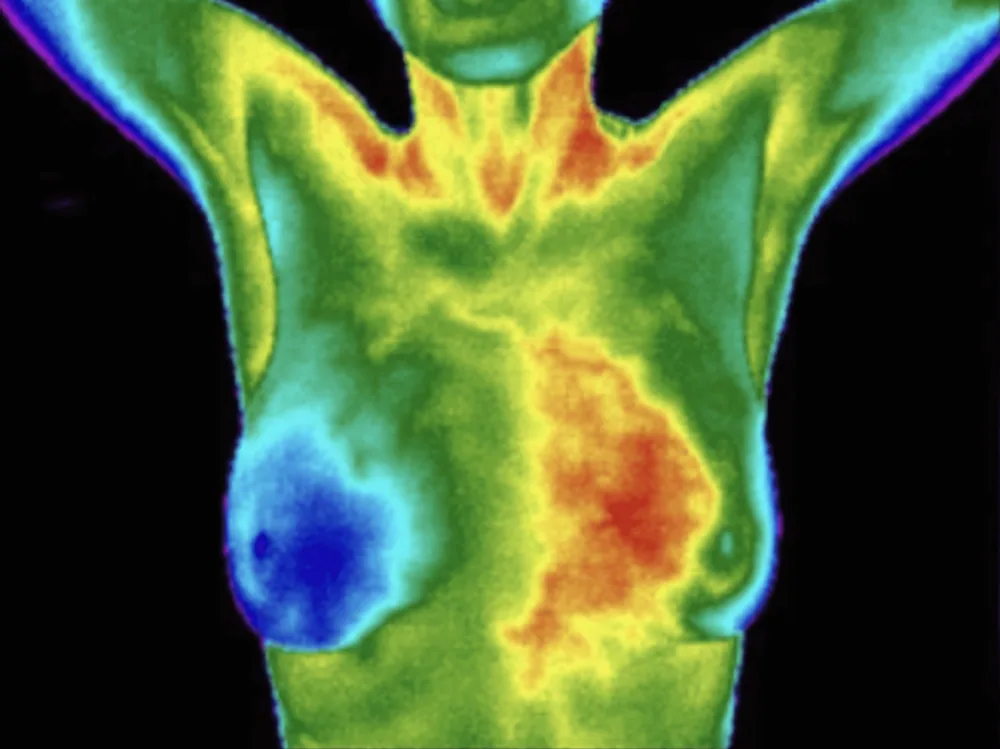
A calibrated infrared camera captures a series of images in a controlled room. Software converts the temperature measurements into a visual map. A trained interpreter reviews the pattern, including asymmetry and areas of relative warmth or coolness, and prepares a report.
The procedure does not use radiation, injections, or breast compression. Because thermography records surface heat rather than breast anatomy, its information is different from a mammogram, ultrasound, or MRI.
Before your appointment.
After booking, complete the intake form promptly and follow the preparation instructions sent for your appointment. These steps help reduce temporary skin-temperature influences that can affect image capture. Your appointment-specific instructions take priority over any general checklist online.
- Avoid caffeine, alcohol, and smoking for at least four hours before imaging.
- Do not apply lotion, perfume, or deodorant to the areas being imaged.
- Wear loose, comfortable clothing and avoid using a heated car seat on the way to your visit.
- Avoid exercise, sun exposure, and saunas during the 24 hours before imaging.
If recent treatment, surgery, a skin condition, medication, or another circumstance may affect preparation, call Olivia before your appointment instead of guessing. Review LiveWell’s complete preparation guide and Breast Thermography International’s current appointment guidance.
During your appointment in Gallatin.
Your visit takes place in a private imaging room inside Life Charge Chiropractic. You have a private area to change, and only the area being imaged needs to be uncovered. Olivia reviews your intake information and explains the positioning before image capture begins.
- Acclimation: you spend approximately 10–15 minutes allowing your skin temperature to adjust to the controlled room.
- Positioning: Olivia guides you through a standardized series of standing positions.
- Image capture: the infrared camera remains at a distance and records several angles without touching or compressing the body.
- Completion: once the required views are confirmed, you get dressed and continue with your day.
After your appointment: report and consultation.
Olivia submits your images and intake information through the Breast Thermography International network. Three PACT-certified interpreters participate in the review, with a senior interpreter completing the final assessment.
Your digital report typically arrives within 3–7 business days. It includes your thermal images, relevant history context, professional impressions, and recommendations. Your session also includes a 15-minute results consultation with a qualified thermology professional so you can understand the report and identify questions to discuss with your healthcare provider. Read the report and consultation guide for a detailed walkthrough.
The consultation explains the report; it does not turn a thermal pattern into a diagnosis. When the report recommends clinical follow-up, contact the appropriate licensed healthcare professional.
Choose the session scope that fits your needs.
- Breast · 30 minutes · $299: focused thermal imaging of the breasts and surrounding areas.
- Torso · 45 minutes · $399: breast imaging plus the head, neck, abdomen, back, and torso.
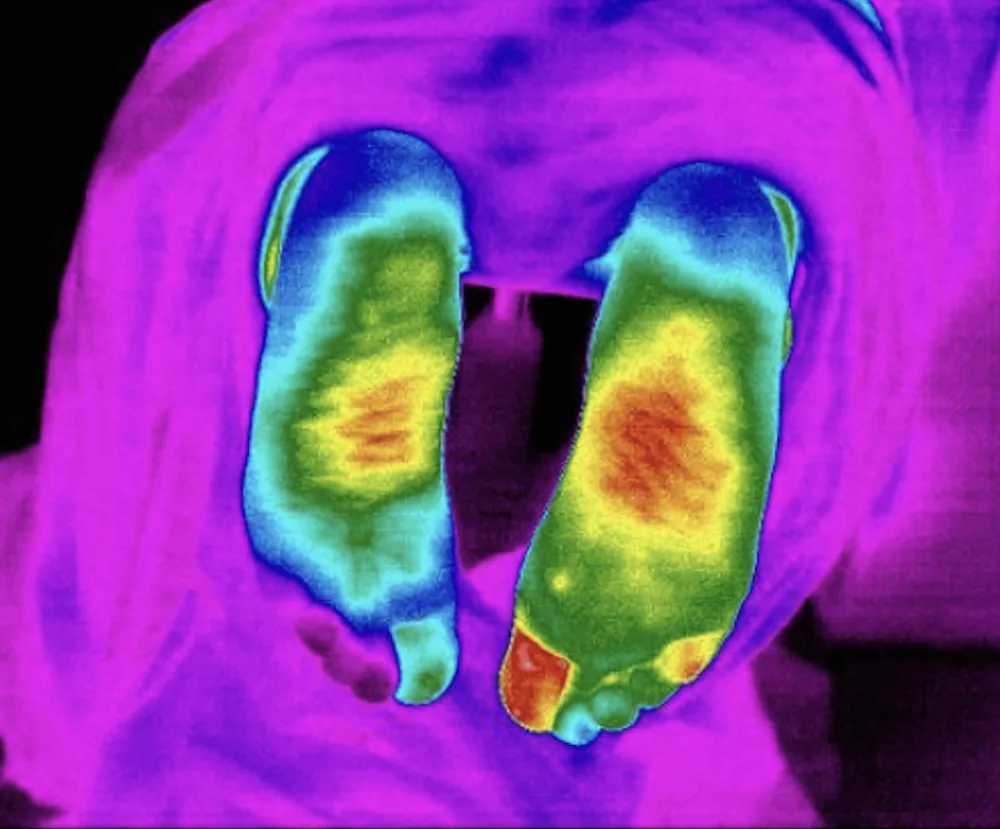
- Full Body · 60 minutes · $499: torso imaging plus the arms, hands, legs, shoulders, and feet.
Every option includes standardized capture, professional review, the digital report, and the results consultation. The difference is the area covered—not the quality of review.
Compare the complete details for breast, torso, and full-body thermography before selecting your appointment.
Thermography and mammography are not interchangeable.
A mammogram uses low-dose X-rays to look for structural changes in breast tissue. Thermography records surface temperature patterns. These methods do not answer the same question, and a normal thermogram cannot rule out breast cancer.
The U.S. Food and Drug Administration describes thermography as an adjunctive tool and warns against using it as a standalone substitute for mammography. The National Cancer Institute explains the benefits and possible harms of established breast-screening methods. Use those sources—and a conversation with your clinician—to make an informed plan based on your age, symptoms, family history, breast density, and other risk factors.
Common questions before booking.
Do I need a physician referral?
No referral is required to schedule. You should still keep your healthcare provider involved in screening decisions and any follow-up recommended in your report.
Does the camera touch the body?
No. The camera records infrared heat from a distance. There is no contact, compression, injection, or radiation exposure during thermographic imaging.
Will I have privacy while changing?
Yes. A private changing area is provided, and Olivia explains which areas need to be uncovered for the session you selected.
Will I receive results during the appointment?
No. The images first go through professional interpretation. The complete digital report typically arrives within 3–7 business days, followed by the included results consultation.
When to contact a clinician.
Do not use thermography to evaluate an urgent or new breast concern on its own. Contact a healthcare professional promptly for a new lump, nipple discharge, skin dimpling, a change in breast shape, redness, persistent focal pain, or another concerning symptom.
Reliable sources for screening decisions.
- FDA: A thermogram is no substitute for a mammogram
- National Cancer Institute: Mammograms
- National Cancer Institute: Breast-cancer screening
- Breast Thermography International: What to expect
Explore your appointment options.
LiveWell offers breast, upper-body, and full-body thermography in Gallatin, Tennessee.